
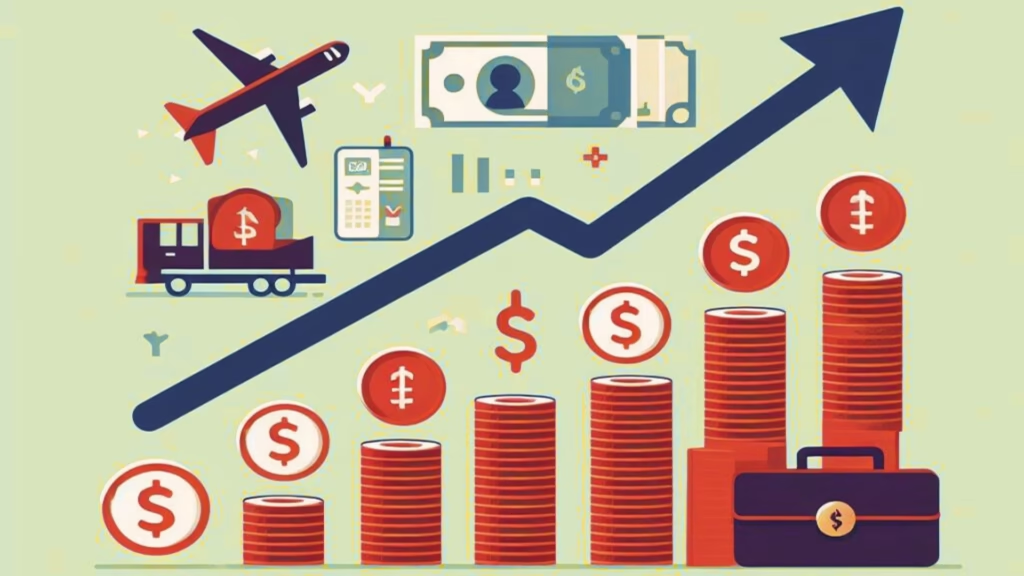
Inflation is a word people hear often in news, conversations, and financial discussions. When prices rise, and money seems to buy less than before, inflation is usually the reason. While inflation may sound like a complex economic concept, it directly affects everyday life-from grocery shopping to rent, fuel, and savings.
Understanding what inflation is and how it impacts daily life helps individuals make better financial decisions and plan for the future. In this article, we explain inflation in simple English and show how it influences money, spending, and living costs.
What Is Inflation?
Inflation is the general increase in prices of goods and services over time. When inflation rises, the value of money decreases. This means you need more money to buy the same items you bought before.
For example:
- If a loaf of bread costs $2 today and $2.50 next year, inflation has occurred.
- Your money now buys less than it did before.
Inflation affects almost everything people buy and sell.
Why Inflation Happens
Inflation does not happen randomly. It usually occurs because of certain economic factors.
Common causes of inflation include:
- Increased demand for goods and services
- Higher production costs
- Supply shortages
- Increased money supply
When demand is higher than supply, prices tend to rise.
Types of Inflation Explained Simply
Inflation comes in different forms.
Demand-pull inflation:
- Happens when people buy more than businesses can supply
Cost-push inflation:
- Occurs when production costs rise
- Businesses increase prices to cover expenses
Built-in inflation:
- Linked to wage increases
- Higher wages lead to higher prices
All types affect daily life in similar ways.
How Inflation Affects Daily Expenses
Inflation is felt most in everyday spending.
Common expenses affected by inflation:
- Food and groceries
- Rent and housing
- Fuel and transportation
- Utilities
- Healthcare
As prices rise, household budgets become tighter.
Impact of Inflation on Food Prices
Food prices often increase first.
Inflation effects on food:
- Higher grocery bills
- Increased restaurant prices
- Smaller portion sizes
Families may change buying habits to manage costs.
How Inflation Affects Housing and Rent
Housing costs are sensitive to inflation.
Inflation leads to:
- Higher rent payments
- Increased home prices
- Higher mortgage rates
Housing becomes less affordable during high inflation periods.
You Can Also Read: interest-rates-impact-personal-business-finance
Impact of Inflation on Transportation
Transportation costs rise with inflation.
Common effects include:
- Higher fuel prices
- Increased public transport fares
- Higher vehicle maintenance costs
Transportation inflation affects work and daily travel.
How Inflation Impacts Savings
Inflation reduces savings value.
Key effects:
- Savings lose purchasing power
- Fixed-interest accounts may not keep up
If savings earn less than inflation, money loses real value.
Inflation and Wages
Wages do not always rise with inflation.
When wages lag behind inflation:
- Living standards decline
- Financial stress increases
Wage growth must match inflation to maintain purchasing power.
How Inflation Affects Loans and Debt
Inflation has mixed effects on debt.
For borrowers:
- Fixed-rate loans become easier to repay
- Money repaid is worth less
For lenders:
- Real returns decrease
Debt impact depends on loan type.
Inflation and Interest Rates
Interest rates often respond to inflation.
When inflation rises:
- Central banks increase interest rates
- Borrowing becomes more expensive
This helps slow down price increases.
Inflation’s Effect on Businesses
Businesses face challenges during inflation.
Common effects include:
- Higher operating costs
- Lower profit margins
- Pricing adjustments
Businesses may pass costs to customers.
How Inflation Affects Small Businesses
Small businesses feel pressure quickly.
Effects include:
- Higher supplier costs
- Reduced customer spending
Small businesses must adapt fast to survive.
Inflation and Consumer Behavior
Inflation changes spending habits.
During high inflation:
- People spend less
- Prioritize essentials
- Delay big purchases
Consumer confidence often drops.
Inflation and Investment Choices
Investments react to inflation.
Common trends:
- Real assets gain attention
- Fixed-income investments struggle
Investors adjust strategies to protect value.
Inflation and Retirement Planning
Inflation affects long-term plans.
Key concerns:
- Retirement savings may not last
- Fixed pensions lose value
Planning must consider inflation risk.
How Governments Manage Inflation
Governments and central banks act to control inflation.
Tools include:
- Interest rate changes
- Monetary policy adjustments
- Fiscal policies
Careful balance is required.
Inflation vs Cost of Living: What’s the Difference?
They are related but not identical.
Inflation:
- General price increase
Cost of living:
- How much it costs to maintain a lifestyle
Inflation directly affects cost of living.
Inflation and Economic Stability
Moderate inflation is normal.
Problems arise when:
- Inflation rises too fast
- Prices become unpredictable
Stable inflation supports economic health.
Inflation Awareness and Financial Literacy
Understanding inflation improves money management. Platforms like
pmumalin promote financial literacy, economic awareness, and practical money knowledge—qualities that align closely with understanding what inflation is and how it impacts daily life.
How Individuals Can Protect Against Inflation
People can take steps to manage inflation effects.
Practical actions include:
- Budgeting carefully
- Avoiding unnecessary debt
- Saving and investing wisely
Awareness reduces financial stress.
Simple Example of Inflation Impact
Example:
- Monthly grocery bill was $300
- Inflation raises prices by 10%
- New cost becomes $330
Over time, small increases add up.
Why Inflation Feels Worse Than It Looks
Even small inflation feels big.
Reasons include:
- Frequent purchases
- Essential expenses rising
- Income staying flat
Psychological impact matters.
Can Inflation Be Good?
Moderate inflation can help.
Benefits include:
- Encouraging spending
- Supporting economic growth
Problems occur when inflation is too high.
Final Thoughts
Inflation is the gradual rise in prices that reduces the purchasing power of money. While it is a normal part of a growing economy, high inflation affects daily life by increasing living costs, reducing savings value, and changing spending habits.
Understanding inflation helps people make better financial decisions, plan for the future, and respond wisely to economic changes. Inflation may be unavoidable, but being informed makes it manageable.
In everyday life, inflation reminds us that money is not just about how much we earn—but how much it can actually buy.