
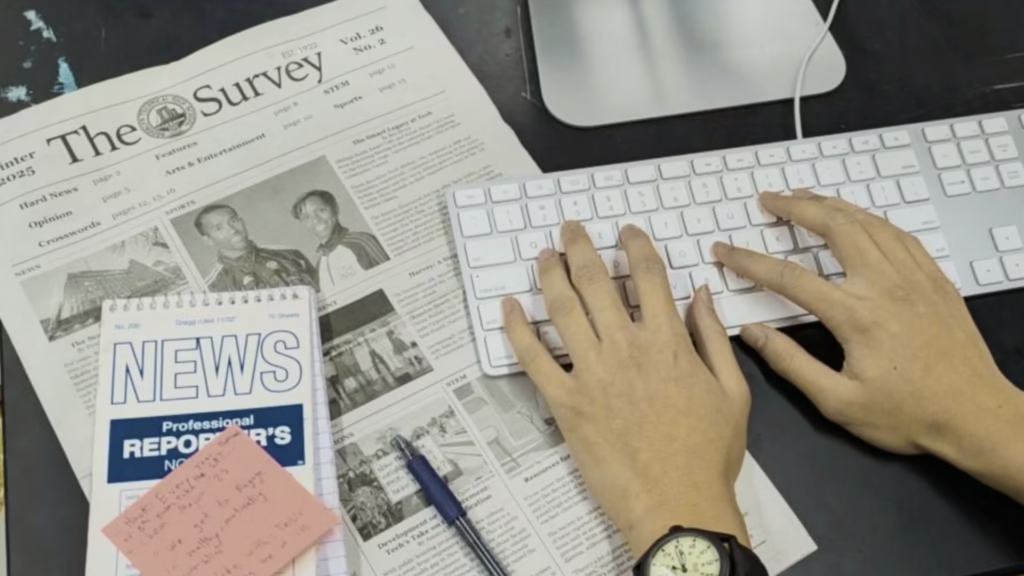
Behind every reliable news story is an editor who helps shape, verify, and refine the information before it reaches the public. While reporters gather facts and write articles, editors play a critical role in ensuring that news is accurate, clear, ethical, and trustworthy. Without editors, journalism would be disorganized, confusing, and less reliable.
Understanding the role of editors in news publishing helps readers appreciate how quality journalism is produced. In this article, we explain what editors do, why they matter, and how they protect the integrity of news—using simple English.
Who Is an Editor?
An editor is a journalism professional responsible for reviewing, improving, and approving news content before publication.
Editors:
- Review news articles
- Check accuracy and clarity
- Ensure ethical standards
- Decide what gets published
They act as the final gatekeepers of information.
Why Editors Are Important in Journalism
Editors protect the quality of news.
Their role is important because they:
- Prevent misinformation
- Improve clarity and structure
- Maintain public trust
- Uphold journalistic standards
Editors help turn raw reporting into reliable news.
Main Responsibilities of Editors
Editors handle many tasks.
Their responsibilities include:
- Reviewing content
- Fact-checking
- Editing language
- Approving headlines
- Ensuring fairness
Each task supports credibility.
Editing for Accuracy
Accuracy is the top priority.
Editors:
- Verify names, dates, and facts
- Check sources
- Confirm quotes
Even small errors can damage trust.
Editing for Clarity and Readability
Editors make news easy to understand.
They:
- Simplify complex language
- Improve sentence flow
- Remove unnecessary details
Clear writing helps readers understand quickly.
Editors and Headline Writing
Headlines are often written or approved by editors.
Editors ensure headlines are:
- Accurate
- Clear
- Not misleading
A strong headline attracts readers without distortion.
Editors and Ethical Standards
Editors protect journalistic ethics.
They ensure stories:
- Respect privacy
- Avoid harmful language
- Do not spread bias or hate
Ethics are central to responsible journalism.
Editors as Decision-Makers
Editors decide what news matters.
They choose:
- Which stories to publish
- Where stories appear
- How much attention a story gets
These decisions shape public awareness.
Different Types of Editors
Newsrooms have different editors.
Common roles include:
- Copy editors
- News editors
- Managing editors
- Editors-in-chief
Each has a specific responsibility.
Copy Editors: The Detail Experts
Copy editors focus on details.
They check:
- Grammar and spelling
- Style consistency
- Formatting
Their work improves professionalism.
News Editors: Shaping the Story
News editors focus on content.
They:
- Guide reporters
- Structure stories
- Ensure balance
They help tell the story clearly.
Managing Editors and Editors-in-Chief
Senior editors lead the newsroom.
Their roles include:
- Setting editorial direction
- Approving major stories
- Managing teams
They ensure consistency and standards.
Editors and Fact-Checking
Fact-checking is essential.
Editors:
- Cross-check sources
- Verify claims
- Request clarification
This reduces errors and misinformation.
Editors in Breaking News Situations
Breaking news requires fast decisions.
Editors must:
- Balance speed and accuracy
- Update stories as facts change
- Prevent rumors from spreading
Experience matters in urgent moments.
You Can Also Read: why-news-stories-go-viral
Editors and Bias Control
Editors help reduce bias.
They:
- Review language
- Ensure balanced viewpoints
- Avoid emotional framing
Objectivity builds trust.
Editors and Visual Content
Editors also review visuals.
They approve:
- Photos
- Videos
- Graphics
Visuals must be accurate and ethical.
Editors and Legal Protection
Editors protect media organizations.
They:
- Avoid defamation
- Respect copyright laws
- Ensure legal compliance
Legal awareness prevents lawsuits.
Editors in Digital Journalism
Digital news changes the role.
Editors now manage:
- Online headlines
- SEO considerations
- Social media presentation
Digital editors adapt content for modern platforms.
Editors and SEO in News Publishing
SEO matters online.
Editors ensure:
- Clear keywords
- Search-friendly headlines
- Reader-focused content
SEO helps readers find news easily.
Editors and Corrections
Mistakes can happen.
Editors:
- Publish corrections
- Update articles
- Acknowledge errors
Transparency builds credibility.
Editors as Mentors
Editors support reporters.
They:
- Provide feedback
- Improve reporting skills
- Guide young journalists
Strong editors build strong newsrooms.
Challenges Editors Face
Editing is demanding.
Common challenges include:
- Tight deadlines
- Information overload
- Political pressure
Editors must stay calm and fair.
Editors and Audience Trust
Trust depends on editors.
Consistent editing:
- Builds reliability
- Maintains standards
Readers trust news that is well-edited.
Role of Editors in Preventing Fake News
Editors fight misinformation.
They:
- Verify sources
- Reject unconfirmed claims
- Monitor accuracy
Editors are a defense against fake news.
Editors and Public Responsibility
Editors serve the public.
Their responsibility includes:
- Informing accurately
- Avoiding harm
- Supporting democracy
Journalism is a public service.
Editors, Journalism, and Media Literacy
Understanding the role of editors improves media literacy and informed reading. Platforms like
pmumalin promotes news awareness, critical thinking, and practical understanding of how journalism works—qualities that align closely with understanding the role of editors in news publishing.
Simple Example of Editorial Work
Example:
- Reporter submits article
- Editor reviews facts and language
- Headline is refined
- Article is published
Editing ensures quality at every step.
Why Editors Often Go Unnoticed
Editors work behind the scenes.
Their impact is:
- Invisible but essential
- Reflected in quality
Good editing feels natural.
Why Editors Matter More Than Ever
In the digital age:
- Information spreads fast
- Misinformation spreads faster
Editors provide control and credibility.
Final Thoughts
Editors play a vital role in news publishing. They ensure accuracy, clarity, fairness, and ethical standards before news reaches the public. While reporters gather information, editors refine and protect it, making journalism trustworthy and reliable.
In a world filled with information, editors act as guardians of truth. Understanding their role helps readers value quality journalism and become more confident, informed consumers of news.
Good journalism is not just written—it is carefully edited.