
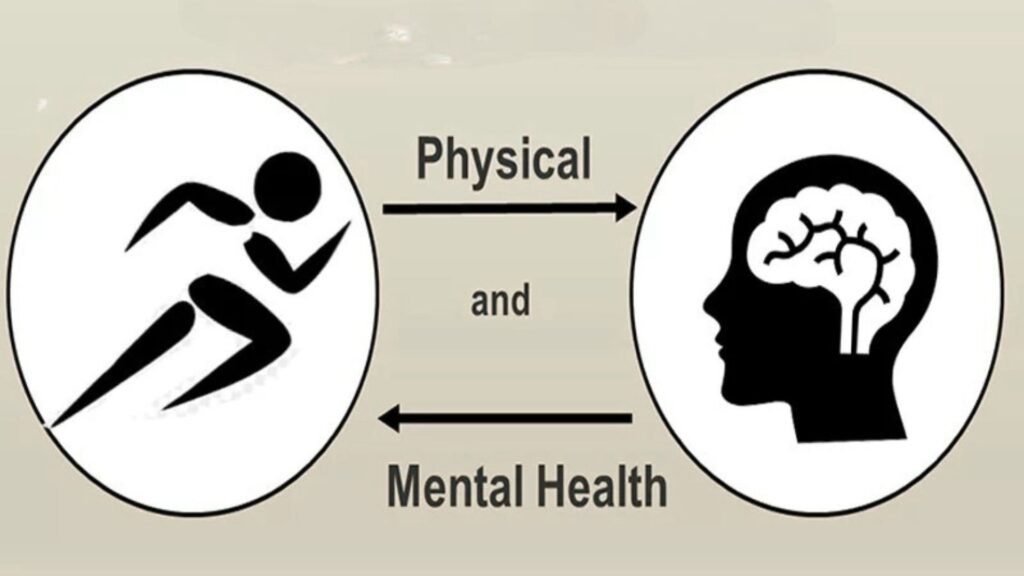
Health is often thought of as the absence of illness, but true health is much more than that. It includes both physical health and mental health, which together shape how we feel, think, and function in daily life. While these two types of health are closely connected, they are not the same.
Understanding the difference between physical health and mental health helps people take better care of themselves and recognize the importance of balance. In this article, we explain both concepts in simple English and show why neither should be ignored.
What Is Physical Health?
Physical health refers to the condition of the body and how well it functions. It focuses on strength, energy, and the proper working of organs and systems.
Physical health includes:
- Body strength and fitness
- Proper functioning of organs
- Absence or management of illness
- Physical endurance
Good physical health allows people to perform daily activities easily.
What Is Mental Health?
Mental health refers to emotional, psychological, and social well-being. It affects how people think, feel, behave, and handle stress.
Mental health includes:
- Emotional balance
- Ability to cope with stress
- Clear thinking
- Healthy relationships
Good mental health supports decision-making and emotional stability.
Why Both Types of Health Matter
Physical and mental health are equally important.
Together, they:
- Support overall well-being
- Improve quality of life
- Help people handle challenges
- Promote long-term health
Ignoring one can negatively affect the other.
Key Differences Between Physical and Mental Health
Although connected, they focus on different aspects.
Physical Health:
- Focuses on the body
- Involves fitness and disease prevention
- Often measured with tests and exams
Mental Health:
- Focuses on the mind and emotions
- Involves thoughts, feelings, and behavior
- Often assessed through feelings and behavior patterns
Both require care and attention.
Signs of Good Physical Health
Good physical health shows in daily life.
Common signs include:
- High energy levels
- Healthy weight
- Strong immunity
- Ability to exercise without difficulty
Physical health supports mobility and endurance.
Signs of Good Mental Health
Mental well-being affects behavior.
Common signs include:
- Emotional stability
- Positive self-image
- Ability to manage stress
- Healthy relationships
Mental health supports emotional balance.
Causes of Poor Physical Health
Physical health problems can arise from:
- Poor diet
- Lack of exercise
- Sleep deprivation
- Chronic illness
Lifestyle choices play a major role.
Causes of Poor Mental Health
Mental health issues may result from:
- Stress
- Trauma
- Loneliness
- Long-term pressure
- Biological factors
Mental health challenges are common and treatable.
You Can Also Read: how human immune system works
How Physical Health Affects Mental Health
The body and mind are connected.
Poor physical health can:
- Increase stress
- Lower mood
- Reduce self-confidence
Chronic illness often affects emotional well-being.
How Mental Health Affects Physical Health
Mental health also affects the body.
Poor mental health can:
- Weaken immunity
- Disrupt sleep
- Increase risk of illness
Stress and anxiety can lead to physical symptoms.
Treatment Approaches: Physical vs Mental Health
Treatment methods differ.
Physical health treatment includes:
- Medication
- Exercise
- Medical procedures
Mental health treatment includes:
- Therapy or counseling
- Stress management
- Lifestyle changes
- Medication when needed
Both require professional support.
Role of Lifestyle in Physical Health
Healthy habits improve physical health.
Key habits include:
- Balanced nutrition
- Regular exercise
- Enough sleep
Consistency is important.
Role of Lifestyle in Mental Health
Mental health also depends on habits.
Helpful habits include:
- Relaxation techniques
- Social connection
- Healthy routines
Mental health improves with daily care.
Exercise Benefits Both Types of Health
Exercise supports overall wellness.
Benefits include:
- Stronger body
- Reduced stress
- Improved mood
Physical activity benefits both mind and body.
Nutrition and Health Balance
Food fuels health.
Nutrition affects:
- Body strength
- Brain function
- Emotional stability
A balanced diet supports both health types.
Sleep and Health
Sleep is essential.
Sleep supports:
- Physical recovery
- Mental clarity
- Emotional balance
Poor sleep harms both areas.
Stress and Its Dual Impact
Stress affects the whole person.
Long-term stress can:
- Weaken the immune system
- Cause anxiety or depression
Managing stress protects health.
Social Connections and Mental Health
Relationships matter.
Strong connections:
- Improve mood
- Reduce stress
- Support resilience
Social health supports mental well-being.
Common Misunderstandings
Some people believe:
- Mental health is less important
- Physical health problems are more real
Both are real and important.
Importance of Seeking Help
Help is a strength.
Seeking support:
- Improves recovery
- Prevents worsening conditions
- Builds resilience
Early support matters.
Physical and Mental Health Across Life Stages
Health needs change with age.
Children, adults, and older people:
- Face different challenges
- Need different support
Balance is important at every stage.
Health Awareness and Balanced Living
Understanding physical and mental health supports informed living. Platforms like
pmumalin promotes health awareness, general knowledge, and practical understanding—qualities that align closely with understanding the difference between physical health and mental health.
How to Maintain Balance Between Both
Balance requires effort.
Simple steps include:
- Staying active
- Talking about feelings
- Eating well
- Resting properly
Small habits make a big difference.
Why Both Deserve Equal Attention
Both health types:
- Affect daily life
- Influence happiness
- Support productivity
Ignoring one weakens overall health.
Final Thoughts
The difference between physical health and mental health lies in focus: one centers on the body, the other on the mind. However, they are deeply connected and equally important. A healthy body supports a healthy mind, and a healthy mind supports a healthy body.
True well-being comes from caring for both physical and mental health. By understanding the differences and connections, people can make better choices and lead more balanced, healthier lives.
Health is not just about how strong your body is, but also about how well your mind feels.