
The human immune system is the body’s natural defense system. It protects us from harmful germs such as bacteria, viruses, fungi, and parasites. Every day, our bodies are exposed to countless microbes, yet most of the time we stay healthy because the immune system is working quietly in the background.
Understanding how the human immune system works helps people appreciate how the body protects itself and why healthy habits matter. In this article, we explain the immune system in simple English and show how it keeps us safe.
What Is the Immune System?
The immune system is a complex network of cells, tissues, and organs that work together to defend the body against harmful invaders.
Its main jobs are to:
- Detect harmful germs
- Fight infections
- Remove damaged cells
- Remember past infections
The immune system is active from birth and adapts throughout life.
Why the Immune System Is Important
Without the immune system, even small infections could be dangerous.
The immune system:
- Prevents illness
- Helps wounds heal
- Protects against serious diseases
A strong immune system supports overall health and survival.
Main Parts of the Immune System
The immune system has many parts, each with a special role.
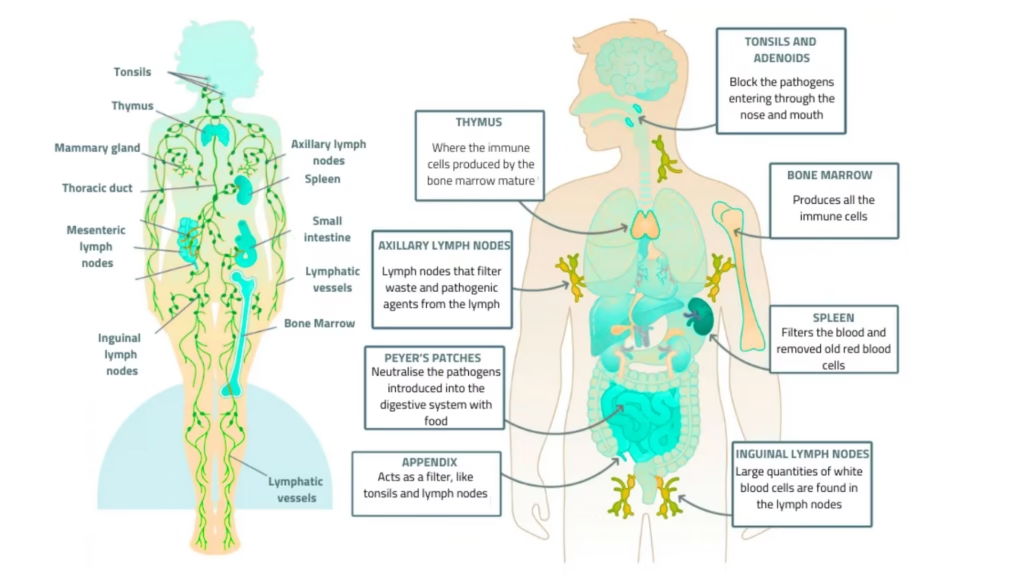
Key components include:
- White blood cells
- Antibodies
- Lymph nodes
- Bone marrow
- Spleen
- Thymus
- Skin and mucous membranes
Together, they form a powerful defense network.
First Line of Defense: Physical Barriers
The body’s first defense stops germs before they enter.
Physical barriers include:
- Skin
- Mucous membranes
- Nose hairs
- Tears and saliva
These barriers block or trap germs and prevent infection.
Second Line of Defense: Innate Immune System
The innate immune system responds quickly to threats.
Features of innate immunity:
- Fast response
- Same reaction to all germs
- Always active
It is the body’s general defense system.
Role of White Blood Cells
White blood cells are immune soldiers.
They:
- Detect invaders
- Destroy harmful organisms
- Signal other immune cells
Different types of white blood cells have different tasks.
Inflammation: A Natural Response
Inflammation helps fight infection.
Signs of inflammation include:
- Redness
- Swelling
- Heat
- Pain
Inflammation increases blood flow to the affected area to help healing.
Third Line of Defense: Adaptive Immune System
The adaptive immune system is specific and smart.
Key features:
- Targets specific germs
- Learns and remembers
- Improves over time
This system provides long-term protection.
What Are Antibodies?
Antibodies are special proteins.
Antibodies:
- Recognize specific germs
- Attach to invaders
- Help destroy infections
Each antibody is designed for a specific threat.
How Immune Memory Works
The immune system remembers past infections.
This means:
- Faster response next time
- Milder illness or no symptoms
This is why people usually do not get the same illness repeatedly.
Vaccines and the Immune System
Vaccines train the immune system.
Vaccines:
- Introduce harmless parts of germs
- Help the body learn without causing illness
- Build immune memory
Vaccination strengthens the immune defense safely.
Role of the Lymphatic System
The lymphatic system supports immunity.
It includes:
- Lymph nodes
- Lymph vessels
- Lymph fluid
Lymph nodes filter germs and activate immune responses.
Bone Marrow and Immune Cells
Bone marrow produces immune cells.
It:
- Creates white blood cells
- Supports immune system renewal
Healthy bone marrow is essential for immunity.
The Spleen and Immune Function
The spleen filters blood.
It:
- Removes damaged cells
- Detects blood-borne infections
- Stores immune cells
The spleen supports immune balance.
Thymus and Immune Development
The thymus trains immune cells.
It:
- Helps immature immune cells develop
- Plays a key role in childhood
The thymus shrinks with age but remains important early in life.
How the Immune System Knows What to Attack
The immune system distinguishes between:
- Self (your own cells)
- Non-self (germs and foreign substances)
This prevents the immune system from attacking healthy cells.
What Happens When the Immune System Is Weak
A weak immune system increases risk.
Causes include:
- Poor nutrition
- Lack of sleep
- Chronic stress
- Certain illnesses
People may get sick more often.
What Happens When the Immune System Overreacts
Sometimes the immune system becomes too active.
This can lead to:
- Allergies
- Autoimmune diseases
Balance is essential for health.
How Lifestyle Affects the Immune System
Daily habits matter.
Healthy habits include:
- Balanced diet
- Regular exercise
- Enough sleep
- Stress management
Lifestyle choices strongly influence immune strength.
Nutrition and Immune Health
Food supports immunity.
Important nutrients include:
- Vitamins
- Minerals
- Protein
A healthy diet helps immune cells function properly.
Sleep and Immune Function
Sleep supports recovery.
During sleep:
- Immune cells regenerate
- Body repairs damage
Lack of sleep weakens immunity.
Stress and the Immune System
Chronic stress affects defense.
Stress can:
- Reduce immune response
- Increase illness risk
Managing stress helps protect health.
Immune System Changes With Age
Immunity changes over time.
As people age:
- Immune response slows
- Infections may last longer
Healthy habits help maintain immune function.
Immune System and Overall Health Awareness
Understanding how the immune system works builds health awareness and informed living. Platforms like
pmumalin promote general knowledge, health understanding, and practical learning—qualities that align closely with understanding how the human immune system works.
Common Myths About the Immune System
Some myths include:
- Immunity can be boosted instantly
- More supplements always help
In reality, immunity depends on long-term habits.
Simple Example of Immune Defense
Example:
- Germ enters the body
- Immune cells detect it
- Antibodies attack
- Germ is destroyed
- Immune memory remains
This process happens daily.
Why Understanding the Immune System Matters
Understanding immunity helps people:
- Make healthier choices
- Appreciate vaccines
- Reduce illness risk
Knowledge supports prevention.
Final Thoughts
The human immune system is a powerful and complex defense network that protects the body from harmful invaders every day. It works through physical barriers, fast responses, and intelligent memory to keep us healthy.
While the immune system cannot prevent every illness, healthy habits, proper nutrition, rest, and awareness can support its function. Understanding how the immune system works empowers people to take better care of their bodies.
In the end, a healthy immune system is not built overnight—it is maintained through daily choices that support long-term well-being.