
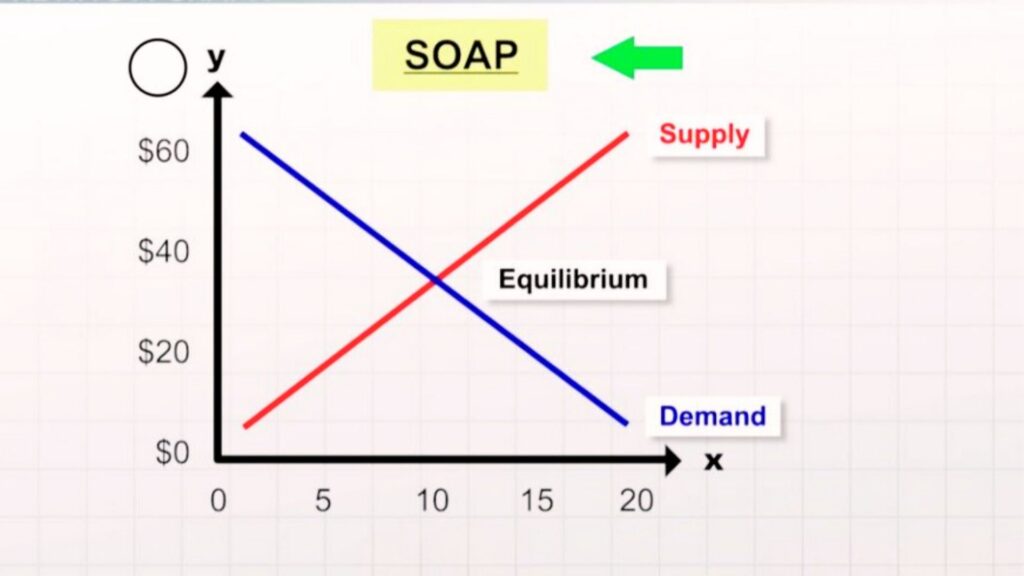
Supply and demand are two of the most important ideas in economics. They explain how prices are set, why products become expensive or cheap, and how markets work every day. From grocery stores to housing markets and online shopping, supply and demand influence nearly every buying and selling decision.
Understanding the basics of supply and demand helps people make better choices as consumers, business owners, and investors. In this article, we explain these concepts in simple English with clear examples from daily life.
What Is Supply?
Supply refers to how much of a product or service producers are willing and able to sell at a given price.
In simple terms:
- Supply is about sellers
- It shows how much is available in the market
If businesses can produce more of something, supply increases.
What Is Demand?
Demand refers to how much of a product or service consumers are willing and able to buy at a given price.
In simple terms:
- Demand is about buyers
- It shows how much people want something
When many people want a product, demand is high.
Why Supply and Demand Matter
Supply and demand work together to decide prices.
They help explain:
- Why prices rise or fall
- Why shortages happen
- Why discounts appear
Markets adjust naturally based on supply and demand.
The Law of Demand (Explained Simply)
The law of demand states:
- When prices go up, demand usually goes down
- When prices go down, demand usually goes up
Example:
If the price of a phone increases, fewer people buy it. If the price drops, more people want it.
The Law of Supply (Explained Simply)
The law of supply states:
- When prices go up, supply usually goes up
- When prices go down, supply usually goes down
Example:
If selling a product becomes more profitable, businesses produce more of it.
How Supply and Demand Work Together
Supply and demand interact constantly.
This interaction determines:
- Market price
- Quantity sold
When supply and demand balance, the market is stable.
What Is Market Equilibrium?
Market equilibrium happens when supply equals demand.
At equilibrium:
- Buyers get what they want
- Sellers sell what they produce
- Prices remain stable
Equilibrium represents balance in the market.
What Happens When Demand Is Higher Than Supply?
This creates a shortage.
Effects include:
- Prices increase
- Competition among buyers
- Sellers may raise prices
Example: Limited concert tickets with many buyers.
What Happens When Supply Is Higher Than Demand?
This creates a surplus.
Effects include:
- Prices decrease
- Discounts appear
- Sellers try to attract buyers
Example: Too many products on store shelves.
Real-Life Examples of Supply and Demand
Supply and demand affect everyday items.
Common examples:
- Fuel prices
- Housing costs
- Food prices
- Electronics
Shortages raise prices, while oversupply lowers them.
Supply and Demand in Housing Markets
Housing markets respond strongly.
When demand is high:
- Home prices rise
- Rent increases
When supply increases:
- Prices stabilize or fall
Location and population growth matter.
You Can Also Read: how-laws-are-made-country
Supply and Demand in Food Markets
Food prices change often.
Causes include:
- Weather conditions
- Harvest size
- Transportation issues
Lower supply leads to higher prices.
Supply and Demand in Technology Products
Technology markets change quickly.
Examples:
- New phone launches
- Limited stock
- High demand
Early buyers often pay higher prices.
Factors That Affect Demand
Several things influence demand.
Key factors include:
- Price
- Income levels
- Tastes and trends
- Population size
- Availability of substitutes
Changes in these factors shift demand.
Factors That Affect Supply
Supply also changes.
Key factors include:
- Production costs
- Technology
- Number of sellers
- Natural conditions
Lower costs usually increase supply.
How Prices Act as Signals
Prices send messages.
High prices signal:
- High demand
- Low supply
Low prices signal:
- Low demand
- High supply
Businesses and consumers respond to these signals.
Supply and Demand in Business Decisions
Businesses rely on supply and demand.
They use it to:
- Set prices
- Decide production levels
- Enter or exit markets
Understanding demand helps reduce risk.
Supply and Demand in Global Markets
Global markets are connected.
International trade affects:
- Availability of goods
- Prices worldwide
Global demand can impact local prices.
How Government Affects Supply and Demand
Governments sometimes intervene.
Examples include:
- Taxes
- Subsidies
- Price controls
Intervention can change market outcomes.
Price Controls: A Simple Explanation
Price controls limit prices.
Types include:
- Price ceilings (maximum prices)
- Price floors (minimum prices)
These can cause shortages or surpluses.
Why Supply and Demand Are Not Perfect
Markets are not always ideal.
Reasons include:
- Sudden shocks
- Natural disasters
- Political events
Still, supply and demand remain powerful tools.
Supply and Demand vs Cost
Prices are not just about cost.
Prices depend on:
- What buyers are willing to pay
- How much sellers can offer
Demand often matters more than cost alone.
Common Misunderstandings About Supply and Demand
Some people think:
- Sellers control all prices
- Demand alone sets prices
In reality, both forces work together.
Supply, Demand, and Economic Awareness
Understanding supply and demand improves economic awareness and everyday decision-making. Platforms like
pmumalin promotes financial literacy, economic understanding, and practical knowledge—qualities that align closely with learning the basics of supply and demand, explained simply.
Simple Supply and Demand Example
Example:
- Hot weather increases demand for cold drinks
- Stores sell out quickly
- Prices rise
When supply increases, prices stabilize again.
Why Supply and Demand Matter in Daily Life
They affect:
- What you pay
- What is available
- When you buy
Understanding them saves money.
Can Supply and Demand Predict Prices?
They help explain trends.
While not perfect:
- They show direction
- They explain changes
They remain core economic ideas.
Final Thoughts
Supply and demand are the foundation of how markets work. Supply shows how much sellers offer, while demand shows how much buyers want. Together, they decide prices, availability, and market balance.
These concepts may seem simple, but they explain complex economic behavior in everyday life—from grocery prices to housing costs and technology trends. Understanding supply and demand helps people make smarter choices as consumers, business owners, and learners.
In economics, few ideas are as powerful—or as practical—as supply and demand.